IPL Photofacial in
St. George, Utah.
Intense Pulsed Light (IPL) therapy is a non-invasive skin renewal treatment that targets the specific concerns of photoaged skin — brown spots, redness, uneven tone, and overall texture decline — using controlled bursts of broad-spectrum light that work at the cellular level without damaging the skin surface.
No Needles
After Treatment
Award Winner
Experience
What is an IPL photofacial?
An IPL photofacial is a non-invasive skin renewal treatment that addresses the specific concerns of photoaging — the cumulative skin damage caused by UV exposure over years of sun exposure. It targets both brown (pigmentary) and red (vascular) dyschromia, as well as the overall decline in skin texture that comes with aging.
IPL therapy combats the signs of aging by delivering high-energy light pulses that eliminate superficial blood vessels, minimize the appearance of pigmentation and sun spots, and stimulate collagen production — all in a single treatment with no incisions, no needles, and no significant downtime. St. George's high-altitude, high-UV environment makes IPL one of the most relevant and in-demand laser treatments we offer.
- Non-invasive skin renewal — no cuts, no needles
- Targets both brown spots (pigment) and redness (vascular)
- Eliminates superficial blood vessels and visible capillaries
- Minimizes sun spots, age spots, and freckles
- Stimulates collagen production for improved skin texture
- Minimal downtime — return to normal activity the same day
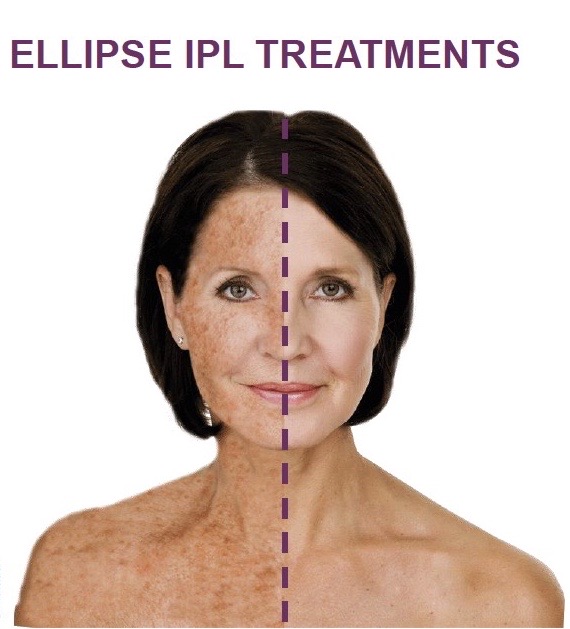
Targeted light energy at the cellular level.
"It's never too early to think about sun damage — especially in a hot and dry climate like St. George. Being proactive can slow the aging process and potentially ward off future issues."
IPL works by delivering precisely controlled pulses of broad-spectrum light into the skin. Unlike a laser which uses a single wavelength, IPL uses multiple wavelengths simultaneously, allowing it to target different chromophores — the molecules in skin that absorb light — in the same treatment. Melanin in brown spots absorbs the light energy and is broken down, while hemoglobin in unwanted blood vessels absorbs a different wavelength and is eliminated.
The heat generated by this selective photothermolysis also stimulates fibroblast activity in the deeper dermis, triggering the production of new collagen. The result is clearer skin tone on the surface and improved texture and firmness developing over the weeks following treatment as collagen remodeling progresses.
pigment and vessels together
noticeable improvement
return same day
duration
Skin concerns IPL addresses.
IPL is particularly effective for the types of sun-driven skin damage that accumulate over years of living in a high-UV climate. Most patients present with several of the following concerns simultaneously — IPL addresses them all in the same treatment.
Sun Spots & Age Spots
Brown spots caused by cumulative UV exposure are among the most common photoaging concerns and the most responsive to IPL. The light energy breaks down the melanin clusters responsible for these dark spots, which darken briefly after treatment before naturally flaking away over the following week.
Freckles & Pigmentation
Freckles, melasma-adjacent hyperpigmentation, and diffuse uneven skin tone all involve excess melanin in the upper layers of the skin. IPL selectively targets this excess pigment without affecting the surrounding skin, progressively evening tone across multiple sessions.
Rosacea & Redness
Persistent facial redness, flushing, and the diffuse skin discoloration of rosacea involve dilated or proliferated superficial blood vessels. IPL's vascular wavelengths target the hemoglobin in these vessels — collapsing them and reducing the chronic redness they produce.
Visible Capillaries
Spider veins, broken capillaries, and small facial vessels visible beneath the skin surface respond exceptionally well to IPL. The same photothermal mechanism that addresses rosacea eliminates these discrete vessels, clearing the skin of their visible appearance.
Uneven Skin Tone
Photoaging produces a combination of pigmentary and vascular dyschromia — an overall patchiness and loss of clarity in the skin. By addressing both simultaneously, IPL restores the even, clear skin tone that UV exposure gradually erodes over time.
Skin Texture & Radiance
Beyond correcting visible color concerns, the collagen stimulation triggered by IPL treatments gradually improves skin texture, pore appearance, and the overall luminosity of the skin — producing a healthy radiance that develops and deepens over the weeks following treatment.
Before & after.
Real patient results from IPL photofacial treatment at Desert Sands Aesthetics & Laser. Individual outcomes vary based on skin type, the severity of the concerns treated, and the number of sessions completed.
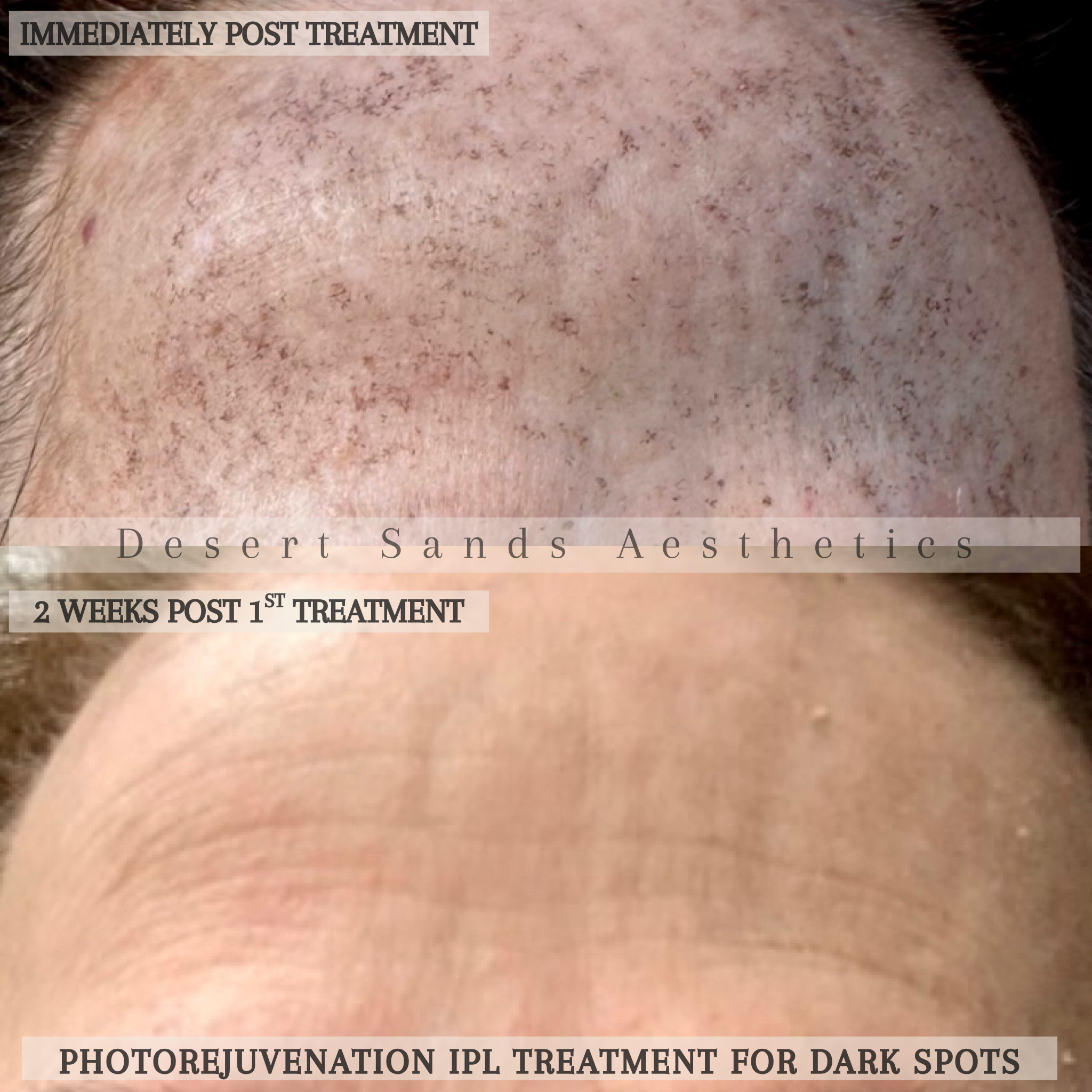
Results shown are from actual patients treated at Desert Sands Aesthetics & Laser using IPL photofacial. Photos have not been digitally altered. Individual results vary. A consultation with our team will give you realistic expectations for your specific skin and concerns.
Who is a good candidate?
IPL photofacial is appropriate for a wide range of patients dealing with photoaging and pigmentation concerns. The most common presentations we treat include:
- Sun damage, brown spots, or age spots from cumulative UV exposure
- Freckles or diffuse pigmentation the patient wants to reduce
- Rosacea or chronic facial redness that affects confidence
- Visible spider veins or broken capillaries on the face
- Uneven skin tone with a mix of pigmentary and vascular discoloration
- Overall skin dullness and loss of radiance from years of sun exposure
- Patients wanting a proactive maintenance treatment to prevent further sun damage
IPL is most effective on lighter skin tones (Fitzpatrick I–IV). Patients with very dark skin or active tans require careful evaluation, as higher melanin levels can compete with target chromophores and increase the risk of pigmentation changes.
St. George receives more annual hours of sunlight than almost anywhere in the continental United States, and its high altitude increases UV intensity. The sun damage that accumulates here is real, progressive, and treatable — IPL is one of the most effective tools available for reversing the cumulative effects of living in this climate.
Who performs IPL at Desert Sands.
IPL photofacials at Desert Sands are performed by two experienced members of our team — both of whom bring deep knowledge of IPL technology and a genuine commitment to patient results.
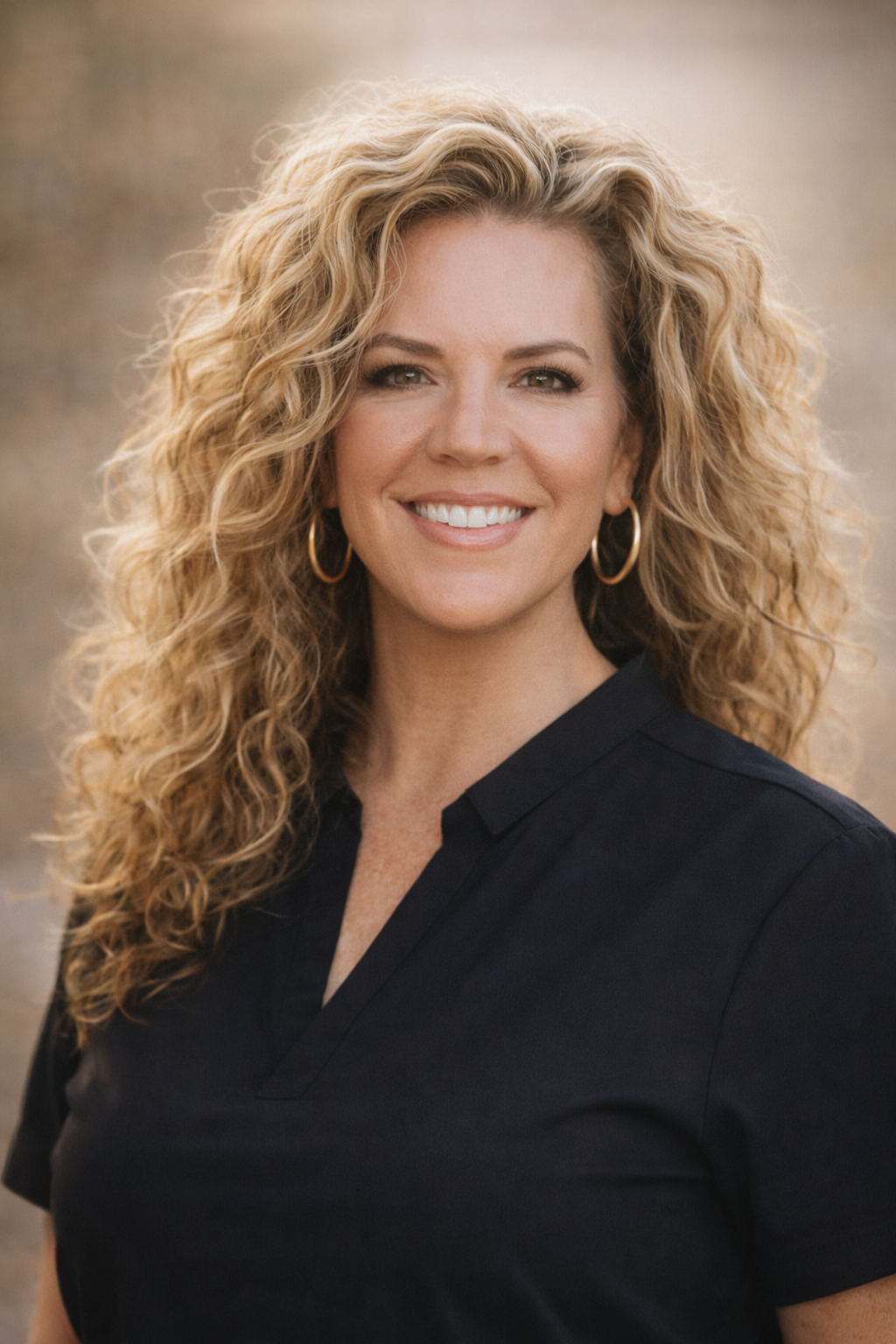
Shannon performs IPL as part of her full laser treatment portfolio, often pairing it with other modalities as part of a multi-modal skin rejuvenation plan. She is known for her conservative, honest approach — recommending the right treatment for the right concern, never over-treating.
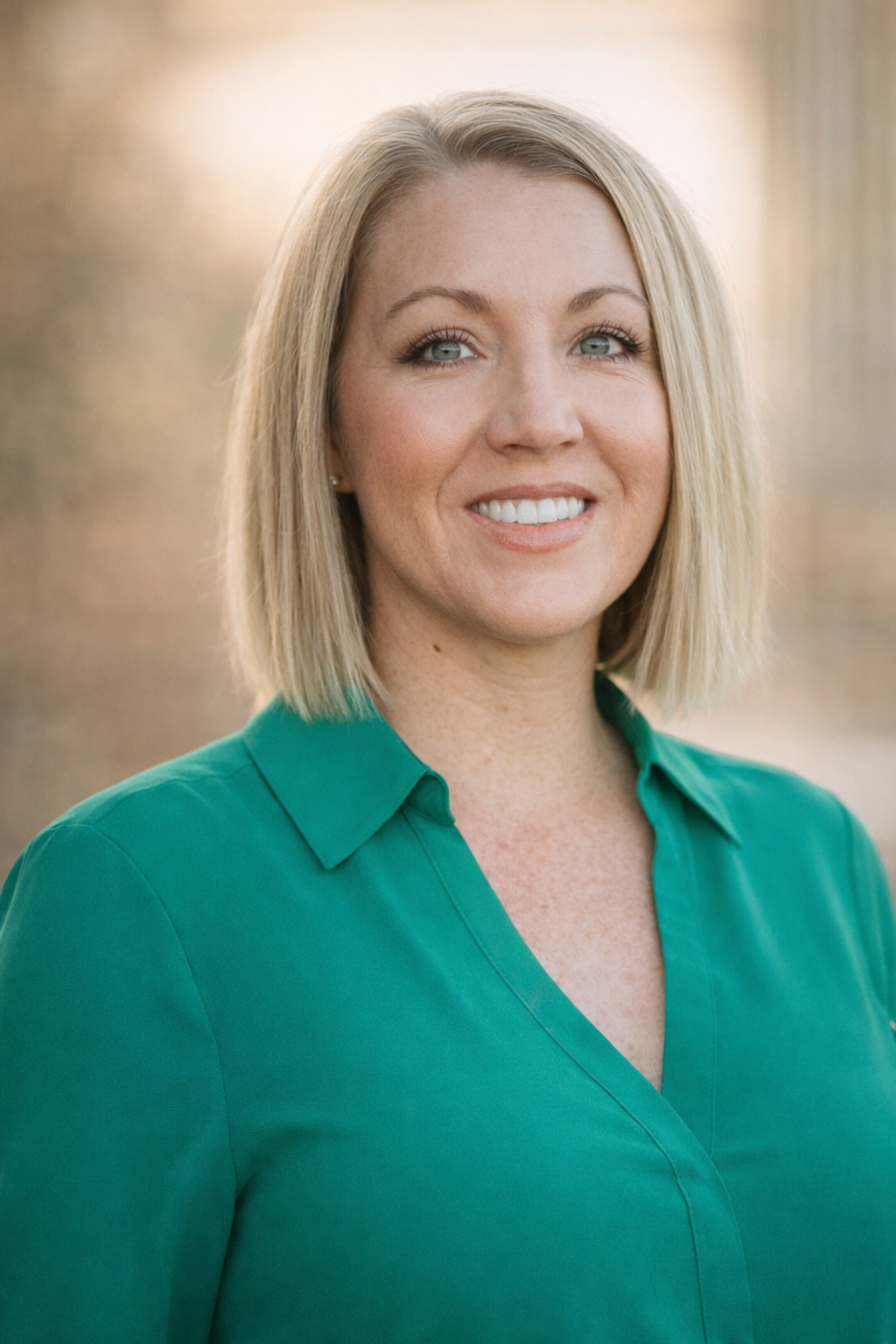
Tiffany leads the IPL program at Desert Sands and is consistently praised by patients for her warmth, her knowledge, and the care she brings to every treatment. Patients frequently note that their experience at Desert Sands surpasses IPL treatments received elsewhere — a direct reflection of Tiffany's expertise and attentiveness.
Treatment, timeline, & results.
~30 Minutes
A full-face IPL treatment typically takes 30 minutes. A cool gel is applied to the skin, the IPL handpiece delivers controlled pulses of light across the treatment area, and the session is complete. The skin is cleaned and protected with mineral sunscreen before you leave.
Mild Warmth
Most patients describe IPL as a light rubber band snap followed by brief warmth at the treatment site. The sensation is well tolerated by most without numbing. A topical anesthetic is available for patients who prefer additional comfort.
Minimal
The skin may appear pink or slightly flushed for a few hours after treatment. Brown spots typically darken over three to seven days before naturally flaking away — this is the intended response and indicates the treatment is working. Sun protection is essential during this period.
Progressive
Pigmentation begins clearing within two weeks as darkened spots shed. Redness and vascular concerns improve over four to six weeks. The collagen-stimulating benefits of IPL continue building over several months. Most patients benefit from a series of one to three treatments spaced three to four weeks apart.
From consultation to clearer skin.
Consultation & Skin Assessment
Your provider evaluates your skin type, the specific concerns you want to address, your history of sun exposure, and any recent tanning or medications that could affect your candidacy. We set realistic expectations for what IPL will achieve for your specific skin in the number of sessions you're considering.
In-Office Treatment
A cooling gel is applied to the treatment area. Your provider passes the IPL handpiece across the skin, delivering precise bursts of light energy. You will feel brief warmth and a snapping sensation with each pulse. The session typically takes 30 minutes for a full face, with no anesthesia required.
Aftercare & Follow-Up
You leave with mineral sunscreen applied and specific aftercare guidance. Brown spots will darken and shed over the following week — this is the normal response. We schedule follow-up treatments as needed, typically three to four weeks apart, and monitor your progress toward your skin goals.
Common questions.
What is an IPL photofacial?
What skin concerns does IPL treat?
Is IPL painful?
How many treatments will I need?
Is there downtime after an IPL photofacial?
Can I tan before or after IPL?
Explore more laser treatments.
Vascular Laser
Dedicated vascular laser treatment for more pronounced spider veins, facial vessels, and vascular lesions that benefit from targeted single-wavelength therapy.
View ServiceLaser Skin Resurfacing
CO2RE fractional resurfacing for more significant textural concerns, lines, and wrinkles. Pairs naturally with IPL for a comprehensive photofacial and resurfacing approach.
View ServiceLaser Skin Tightening
Profound Lift stimulates deep collagen and elastin production for structural skin tightening — addressing the laxity that IPL alone does not treat.
View ServiceLaser Hair Removal
Permanent hair reduction for face and body. A natural complement to IPL for patients who want to address multiple skin concerns in the same course of treatment.
View ServiceOur St. George Clinic
965 E 700 S, Suite 201 · St. George, UT 84790 · Monday–Friday 9 AM–5 PM
Get DirectionsAll Laser Services
Explore the complete range of laser treatments available at Desert Sands Aesthetics & Laser.
View AllReady to begin?
Every new patient starts with a complimentary consultation. We will assess your skin, discuss your concerns, and give you an honest recommendation for what IPL can achieve — with no obligation to proceed.